GHK-Cu BPC-157 TB-500 Research Blend: Analytical Specifications for Laboratory Use
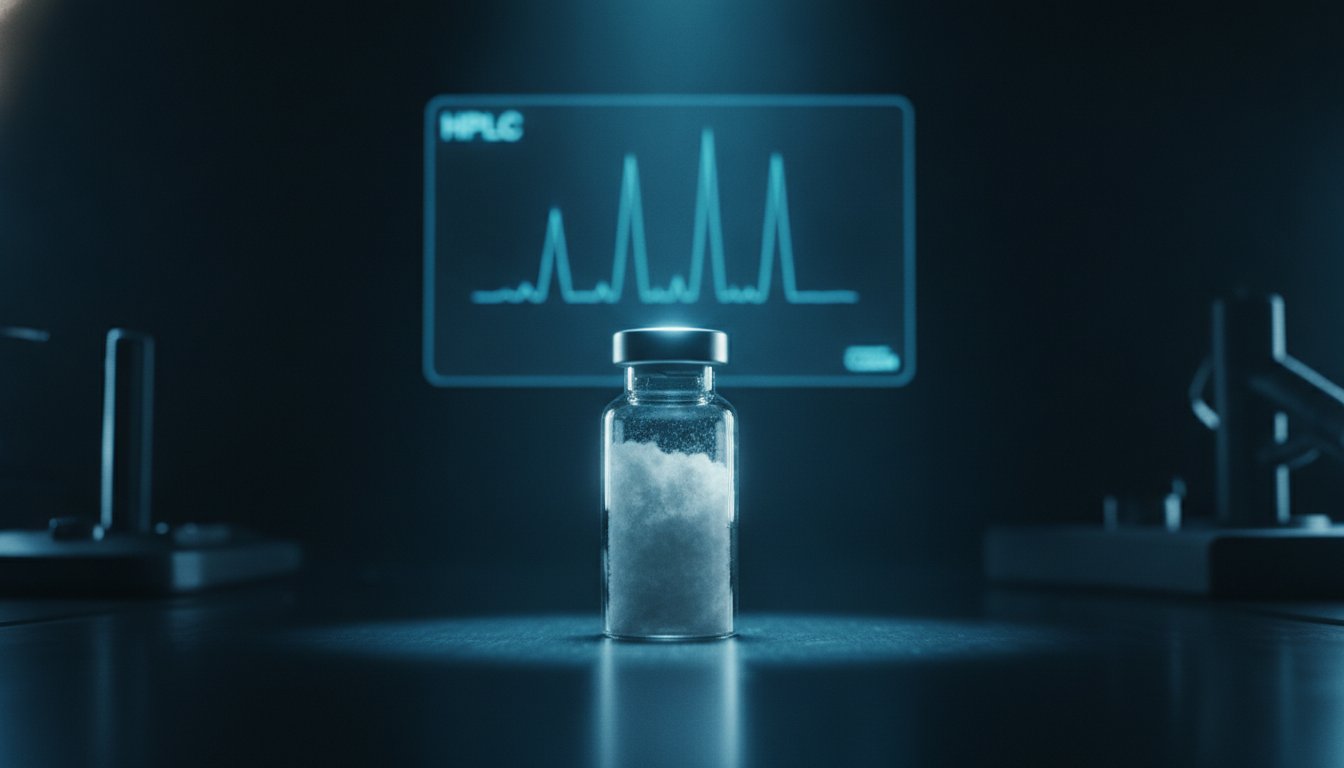
Analytical transparency is the only defense against the degradation of research integrity in a tightening regulatory landscape. As the FDA reclassifies key peptides into Category 2, the burden of verification has shifted directly to the laboratory. For those looking to buy GHK-Cu BPC-157 TB-500 blend, the priority is no longer just availability. It is the acquisition of a stable, lyophilized matrix that survives the logistical currents of transit without compromising molecular structure. Precision is the only currency that matters in a high-stakes research environment.
You recognize that inconsistent ratios and unverified batches are more than just an inconvenience; they are volatile variables that can jeopardize the validity of an entire study. This analysis provides a rigorous examination of the GHK-Cu, BPC-157, and TB-500 multi-peptide matrix, focusing on the necessity of HPLC-verified purity and mass-spec confirmation. We will detail the technical specifications required for sophisticated biochemical applications, from batch-specific COAs to the logistical speed of US-based shipping. This guide previews the analytical protocols necessary to ensure your procurement meets a ≥99% purity benchmark for strictly laboratory use.
Key Takeaways
- Understand the biochemical architecture of the tri-peptide lyophilized matrix and its specific role in multi-pathway cellular research.
- Identify why HPLC and Mass Spectrometry are the non-negotiable analytical standards for those who buy GHK-Cu BPC-157 TB-500 blend for high-precision laboratory use.
- Analyze the synergistic mechanisms of multi-peptide blends and how these combined fragments interact within complex experimental models.
- Evaluate the logistical protocols necessary to prevent peptide degradation, focusing on the importance of USA-based inventory and rapid fulfillment cycles.
- Establish a framework for laboratory compliance by adhering to strict "Research Only" mandates and batch-specific documentation requirements.
Technical Profile of the GHK-Cu / BPC-157 / TB-500 Research Matrix
The GHK-Cu / BPC-157 / TB-500 research matrix represents a sophisticated tri-peptide lyophilized assembly engineered for multi-pathway cellular analysis. Unlike commercial products marketed for aesthetic recovery, this blend is a precise chemical tool designed for laboratory environments. It functions as a singular substrate containing three distinct synthetic fragments. Researchers who seek to buy GHK-Cu BPC-157 TB-500 blend require a medium that maintains structural integrity across diverse experimental protocols. This matrix is strictly intended for in-vitro use and laboratory-based experimental models.
The chemical rationale for this multi-peptide configuration involves the interaction of diverse molecular weights. By combining these specific sequences, laboratories can study both systemic and localized tissue interactions within a controlled setting. It's a disciplined approach to biochemistry. Every vial is a commitment to data accuracy, providing a stable platform for investigating complex biological signaling without the interference of unverified fillers.
Molecular Composition and Peptide Ratios
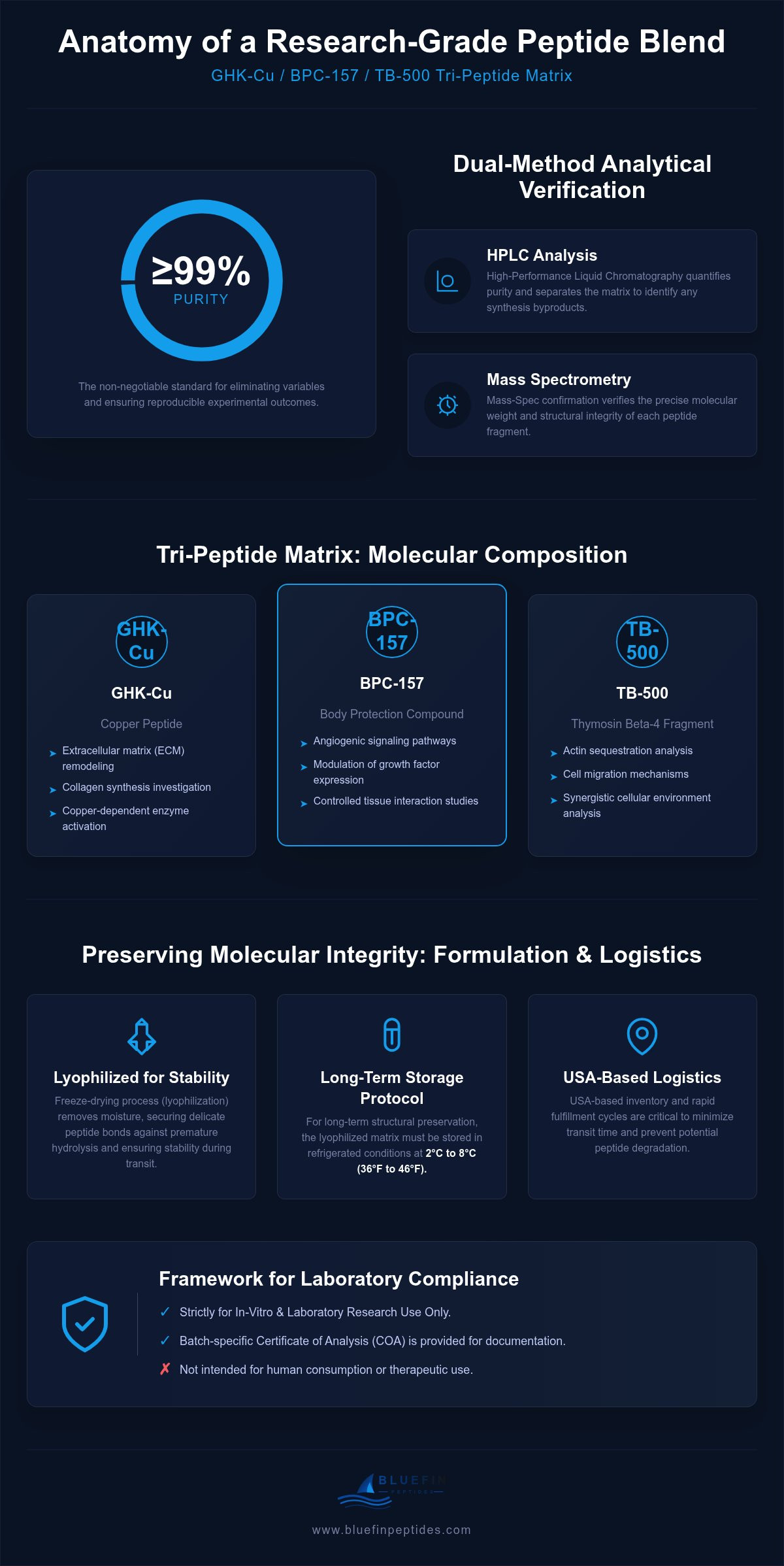
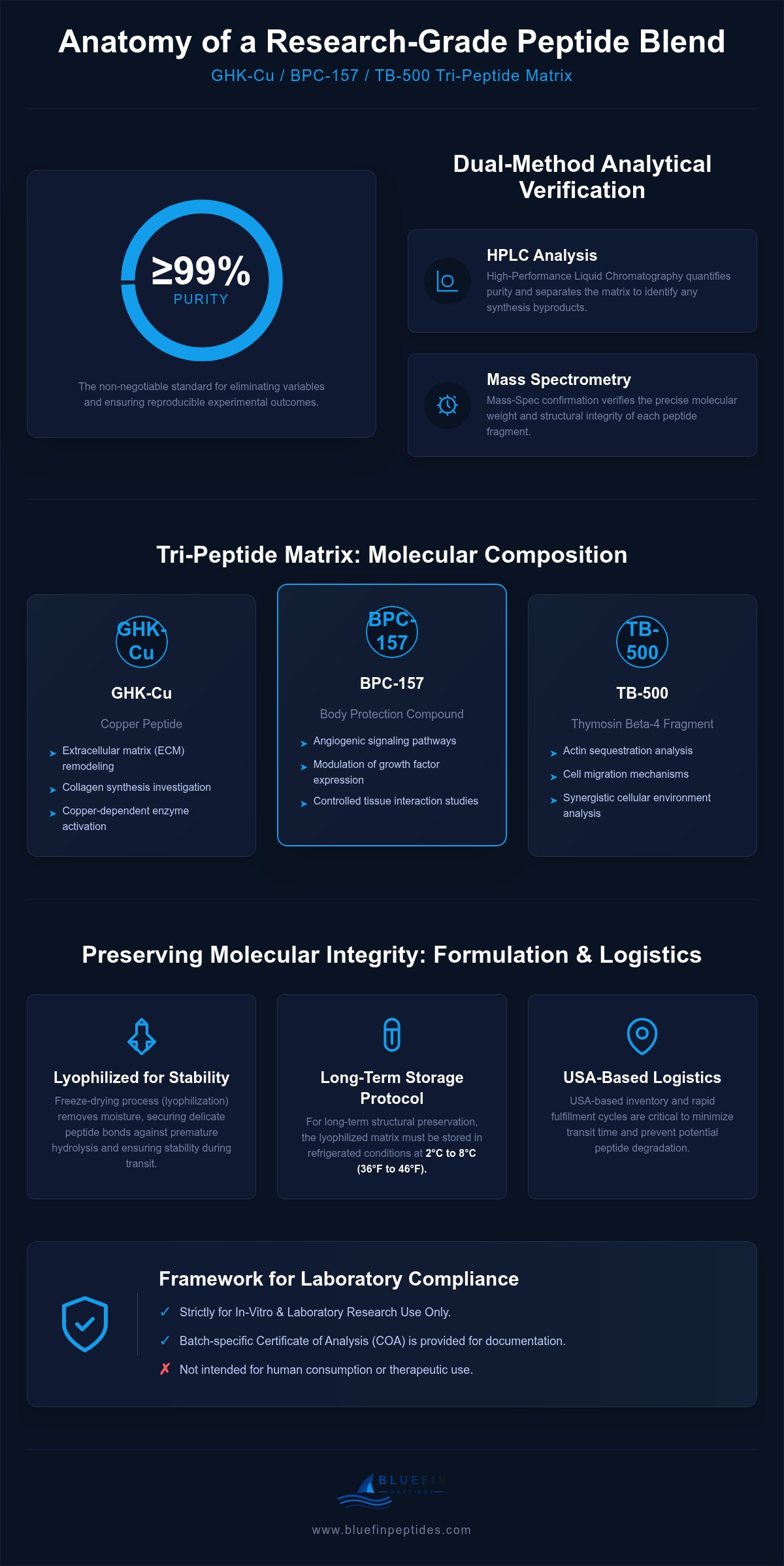
The efficacy of a multi-peptide matrix depends on the precision of its mg concentrations. Each vial contains a calibrated ratio of Copper Peptide, Body Protection Compound 157, and the Thymosin Beta-4 fragment (TB-500). This specific configuration allows for the study of varied molecular weights within a single sample. Lyophilization is the foundation of this stability. By removing moisture through sublimation, the process secures the delicate peptide bonds against premature hydrolysis. While the lyophilized powder remains chemically stable at room temperature for transit durations, long-term structural preservation necessitates refrigerated storage at 2°C to 8°C.
Research Applications in Molecular Biology
The primary utility of this blend lies in its ability to target overlapping biological signals. GHK-Cu is frequently utilized to investigate extracellular matrix (ECM) remodeling. This GHK-Cu peptide overview details its role in collagen synthesis and copper-dependent enzyme activation. When integrated with BPC-157, the research focus often shifts toward angiogenic signaling pathways and the modulation of growth factor expression. Securing a reliable source to buy GHK-Cu BPC-157 TB-500 blend ensures that the tri-peptide matrix arrives in a stable, lyophilized state ready for reconstitution.
TB-500 fragments introduce an additional layer of complexity. These sequences are studied for their role in cell migration and actin sequestration. By analyzing these three compounds simultaneously, laboratories can observe how diverse synthetic fragments interact within a unified cellular environment. This multi-peptide approach provides a deeper look at tissue interaction than isolated compound studies. It's a disciplined method for mapping complex biological currents with maritime precision.
Analytical Verification: Ensuring ≥99% Purity for Research Integrity
Scientific validity is built on the bedrock of verification. In an unregulated market, blind trust is a critical failure point for any laboratory. High-Performance Liquid Chromatography (HPLC) acts as the primary analytical filter. It separates the peptide matrix into its constituent parts to quantify purity with absolute certainty. For researchers who choose to buy GHK-Cu BPC-157 TB-500 blend, this level of scrutiny is the only way to ensure that experimental outcomes aren't skewed by synthesis byproducts or residual solvents. Bluefin Peptides provides batch-specific Certificate of Analysis (COA) documentation to eliminate these variables.
The synthesis of complex multi-peptide blends often leaves behind truncated sequences or chemical salts. These contaminants can interfere with cellular signaling and lead to non-reproducible data. Our protocols prioritize the elimination of these impurities through multiple purification cycles. This commitment to transparency allows you to procure verified research compounds with confidence in their chemical stability. Data transparency isn't a feature; it's a requirement for high-stakes biochemistry.
Interpreting HPLC Purity Reports
A chromatogram is a visual record of chemical fidelity. When reviewing these reports, the primary peak must be distinct and dominant. Baseline noise or secondary "shoulders" indicate the presence of impurities that can compromise a study. Achieving ≥99% purity is non-negotiable for reproducible results. Lower thresholds introduce unknown molecular interactions that complicate data interpretation. For a comprehensive look at these methodologies, consult our resource on analytical quality standards for research peptides.
Mass Spectrometry Confirmation Protocols
HPLC confirms the concentration, but Mass Spectrometry confirms the identity. This technique measures the precise molecular weight of the peptide sequences. It serves as the gold standard for validating that the amino acid sequence is correct. Mass-spec is essential for detecting cross-contamination within the blend. Securing a consistent supply chain to buy GHK-Cu BPC-157 TB-500 blend requires a partner that prioritizes raw data over marketing claims. This analytical rigour ensures that when you observe gene expression data on GHK-Cu, the results are attributable to the peptide and not a synthesis error. Our "maritime precision" in testing provides the security needed for advanced molecular research.
Synergistic Mechanisms in Multi-Pathway Experimental Models
The convergence of GHK-Cu, BPC-157, and TB-500 within a single matrix provides a unique opportunity to study multi-pathway cellular signaling. Laboratories that buy GHK-Cu BPC-157 TB-500 blend focus on how these distinct sequences interact within complex biological environments. This synergy is particularly evident in connective tissue models where structural remodeling and vascular support occur simultaneously. By utilizing a tri-peptide blend, researchers can observe the interplay between copper-binding peptides and synthetic fragments, moving beyond the limitations of isolated compound analysis. This approach allows for a more nuanced comparison between localized and systemic research outcomes in controlled laboratory settings.
Pathway 1: Collagen Synthesis and ECM Modulation
The extracellular matrix (ECM) serves as the primary structural scaffold in biological tissues, and its remodeling is a core focus of molecular research. GHK-Cu is extensively studied for its role in modulating gene expression related to collagen and elastin synthesis. Within cellular environments, GHK-Cu exhibits a high affinity for copper ions, facilitating their transport and enzymatic utilization for tissue repair signaling. This Scientific review of GHK-Cu's biological actions provides the foundational data for these regenerative pathways. When analyzed alongside BPC-157, researchers can investigate the potential for enhanced fibroblast activation, providing a more comprehensive view of ECM dynamics than single-peptide models allow.
Pathway 2: Angiogenesis and Vascular Endothelial Growth
Vascular research often centers on the influence of BPC-157 on VEGFR2 expression, a critical factor in angiogenic signaling. Laboratories that buy GHK-Cu BPC-157 TB-500 blend can simultaneously analyze how TB-500 fragments support endothelial cell migration via actin sequestration. This dual-action model is essential for mapping the complexities of vascular development and cellular motility. TB-500's influence on the cytoskeleton provides a mechanical counterpart to the chemical signaling of BPC-157. Precision is paramount in these studies. Synthesis byproducts or truncated sequences can trigger off-target signaling, which compromises the integrity of the experimental model. Maintaining a strict purity threshold ensures that observed cellular responses are directly attributable to the intended peptide sequences.
Logistical Standards for Research Peptide Procurement
The integrity of a biochemical study is often compromised before the vial even reaches the laboratory bench. When researchers decide to buy GHK-Cu BPC-157 TB-500 blend, the primary risk isn't just chemical purity, but logistical degradation. Domestic stocking within the United States is a critical safeguard. It reduces the window of exposure to fluctuating temperatures and mechanical stress during transit. Bluefin Peptides operates on an "urgent precision" model, ensuring that rapid fulfillment never bypasses the verification of analytical data. This disciplined approach protects the molecular architecture of the tri-peptide matrix from the moment of synthesis to final delivery.
Packaging standards must be equally rigorous. Lyophilized vials are susceptible to light-induced degradation and moisture ingress. Our fulfillment protocols utilize light-shielded, vacuum-sealed containment to maintain the physical state of the compound. For qualified research institutions, navigating the procurement process requires a partner that understands these technical requirements. We provide the tools for verification, ensuring that every shipment meets the high-performance standards of a professional laboratory environment.
Stability of Lyophilized vs. Reconstituted Matrices
Lyophilized powders represent the pinnacle of chemical stability for research peptides. In a sealed, vacuum-packed state, these compounds typically maintain a shelf-life of up to 24 months when stored in a controlled laboratory freezer at -20°C. For standard short-term use, refrigeration at 2°C to 8°C is sufficient to preserve the peptide bonds. Once reconstituted, however, the bioactivity window narrows significantly due to the risk of bacterial growth and enzymatic hydrolysis. Maintaining chemical integrity requires strict adherence to the protocols outlined in our GHK-Cu BPC-157 TB-500 research blend guide.
Domestic Shipping and Fulfillment Security
International transit introduces variables that are often outside of a researcher's control. Customs-related delays can leave fragile sequences sitting in unconditioned warehouses for days or weeks. Sourcing from within the United States minimizes these risks by bypassing international borders and reducing transit duration. This speed is vital for preserving the bioactivity of the GHK-Cu, BPC-157, and TB-500 sequences. Bluefin's aquatic-inspired logistics model prioritizes fluid movement and deep-sea precision in every shipment. When you choose to buy GHK-Cu BPC-157 TB-500 blend from a domestic inventory, you are investing in the security of your data. To secure your laboratory supplies with rapid, USA-based fulfillment, you can procure HPLC-verified peptides here.
Bluefin Peptides: The Disciplined Choice for Chemical Research
Bluefin Peptides operates with a philosophy of clinical precision and unwavering professionalism. We prioritize transparency and verification over the marketing enthusiasm common in the e-commerce sector. When you buy GHK-Cu BPC-157 TB-500 blend, you are securing a calibrated substrate designed for high-stakes laboratory environments. Our identity is rooted in the "show, don't tell" approach to quality. We provide the technical tools for verification because we recognize that research integrity depends on the physical state and chemical nature of the compounds utilized. We act as a high-performance laboratory partner rather than a simple retail vendor.
Our commitment to rigorous testing protocols defines every offering in our catalog. By maintaining a high-level technical register, we treat every researcher as a peer in a professional field. This disciplined focus ensures that synthesis variability never compromises your experimental data. Our "maritime precision" extends from the initial chemical synthesis to the final logistical fulfillment, providing a foundation of stoic reliability for your biochemical studies.
Transparency and Batch-Level Documentation
Accessing batch-specific documentation is a fundamental requirement for modern research. We provide downloadable Certificates of Analysis (COAs) for every order, linking your specific vial to its analytical history. Independent third-party testing is the cornerstone of our quality assurance cycle. This process ensures that every multi-peptide matrix meets the following standards:
- HPLC-verified purity levels of ≥99%.
- Mass Spectrometry confirmation of the specific amino acid sequence.
- Verification of the lyophilized powder's chemical stability.
Ensuring your research is backed by verifiable chemical data is our primary objective. This transparency eliminates the ambiguity often associated with multi-peptide blends, allowing for reproducible and accurate study outcomes.
Procurement for Qualified Research Entities
The distinction between professional research supplies and retail supplements is absolute. Bluefin Peptides strictly adheres to "Research Only" mandates to ensure full laboratory compliance. These compounds are not intended for human, veterinary, or consumer use. They are strictly for in-vitro and laboratory-based experimental models. Navigating the ethical and legal procurement of research chemicals requires a partner that respects these boundaries. Laboratories looking to buy GHK-Cu BPC-157 TB-500 blend can rely on our disciplined logistics and strict adherence to technical standards. We provide the high-purity chemical tools necessary for advanced molecular analysis.
Secure HPLC-verified GHK-Cu / BPC-157 / TB-500 blends for your laboratory today.
Advancing Biochemical Discovery with Analytical Rigor
The integrity of molecular research depends on the physical state and chemical nature of the substrates used. Precision is the only variable that ensures reproducible data in complex multi-pathway models. By prioritizing ≥99% HPLC-verified purity and batch-specific Mass-Spec confirmation, laboratories can eliminate the volatility of synthesis byproducts. When you choose to buy GHK-Cu BPC-157 TB-500 blend, you are securing a tool designed for deep-sea precision. Rapid USA-based fulfillment serves as the final safeguard, protecting fragile peptide sequences from the degradation of extended transit currents.
Reliability is a commitment to the "how" of the process to guarantee the "what" of the result. Bluefin Peptides provides the analytical documentation necessary to treat every researcher as a peer in a disciplined scientific field. Secure your laboratory's future data by choosing a partner that values clinical transparency over marketing noise. We invite you to Procure HPLC-Verified Research Blends and establish a new standard for your experimental integrity. Your pursuit of biochemical clarity starts with a foundation of verified quality.
Laboratory Research: Frequently Asked Questions
What is the purity level of the GHK-Cu BPC-157 TB-500 blend?
The blend maintains a minimum of ≥99% HPLC-verified purity. This rigorous standard ensures that synthesis byproducts and residual solvents are eliminated to prevent off-target signaling in laboratory models. Every batch undergoes High-Performance Liquid Chromatography to quantify the exact concentration of active peptides. This analytical benchmark is non-negotiable for researchers who buy GHK-Cu BPC-157 TB-500 blend to ensure reproducible and accurate experimental data.
Is the GHK-Cu BPC-157 TB-500 blend intended for human use?
No, this blend is strictly for laboratory research and in-vitro experimental use. It's not a pharmaceutical, medical treatment, or consumer supplement. Bluefin Peptides adheres to strict "Research Only" mandates. Marketing these compounds for human or veterinary administration is a violation of federal law. All procurement must be conducted by qualified research entities for biochemical study within a controlled environment.
How should the lyophilized peptide blend be stored in a lab environment?
Long-term storage requires a temperature-controlled environment, ideally at -20°C in a laboratory freezer. For short-term use, the lyophilized powder remains stable when refrigerated at 2°C to 8°C. Protecting the vials from light and moisture ingress is critical to preserving the molecular architecture of the peptide bonds. Once reconstituted, the bioactivity window narrows significantly; researchers should use the solution immediately or store it according to specific protocol requirements.
Does Bluefin Peptides provide batch-specific COAs for this blend?
Yes, every order includes access to batch-specific Certificates of Analysis (COAs). These documents provide raw data from HPLC and Mass Spectrometry testing to confirm both purity and molecular identity. We prioritize transparency over marketing fluff by providing the tools for independent verification. This documentation ensures that your research is backed by verifiable chemical data, allowing for precise mapping of cellular signaling pathways without the interference of unknown variables.
What is the turnaround time for domestic shipping within the USA?
Domestic fulfillment typically occurs within 24 to 48 hours of order confirmation. By maintaining a USA-based inventory, we bypass the customs-related delays that often degrade fragile peptide sequences in international transit. This "urgent precision" model ensures that your laboratory receives stable, lyophilized compounds with maritime speed. Rapid logistics are essential for maintaining the bioactivity and structural integrity of the GHK-Cu, BPC-157, and TB-500 sequences.
Can this blend be used in animal model research?
This blend is designated for laboratory research use only. While many peptides are studied in various experimental models, including animal studies, the specific application is at the discretion of the institutional review board and the supervising researcher. It's not intended for veterinary clinical use. Researchers who buy GHK-Cu BPC-157 TB-500 blend must ensure that all protocols comply with ethical and legal standards for laboratory-based chemical analysis.
What is the difference between this research blend and 'Glow Stack' products?
The primary difference lies in analytical precision and intended use. "Glow Stack" products are often marketed as consumer supplements for aesthetic outcomes, lacking batch-specific HPLC or Mass-Spec verification. In contrast, this research blend is a high-purity chemical substrate designed for biochemical signaling studies. It's a disciplined laboratory tool, not a retail product. We focus on raw data and molecular identity rather than the "transformation" narratives found on consumer-facing sites.
How do I interpret the HPLC report for a multi-peptide blend?
Interpretation centers on identifying the primary peaks corresponding to each peptide in the matrix. A clean report should show distinct, sharp peaks with minimal baseline noise or secondary "shoulders." The area under these peaks determines the purity percentage. For multi-peptide blends, the chromatogram must confirm the presence and concentration of GHK-Cu, BPC-157, and TB-500. Any unexpected peaks indicate impurities that could jeopardize the integrity of your research data.
For laboratory research use only. Not for human or veterinary use. This content is educational and does not constitute medical, dosing, or usage guidance.
Browse the BLUEFIN catalog