Ensuring Reproducibility in Peptide Experiments: A Guide to Methodological Rigor
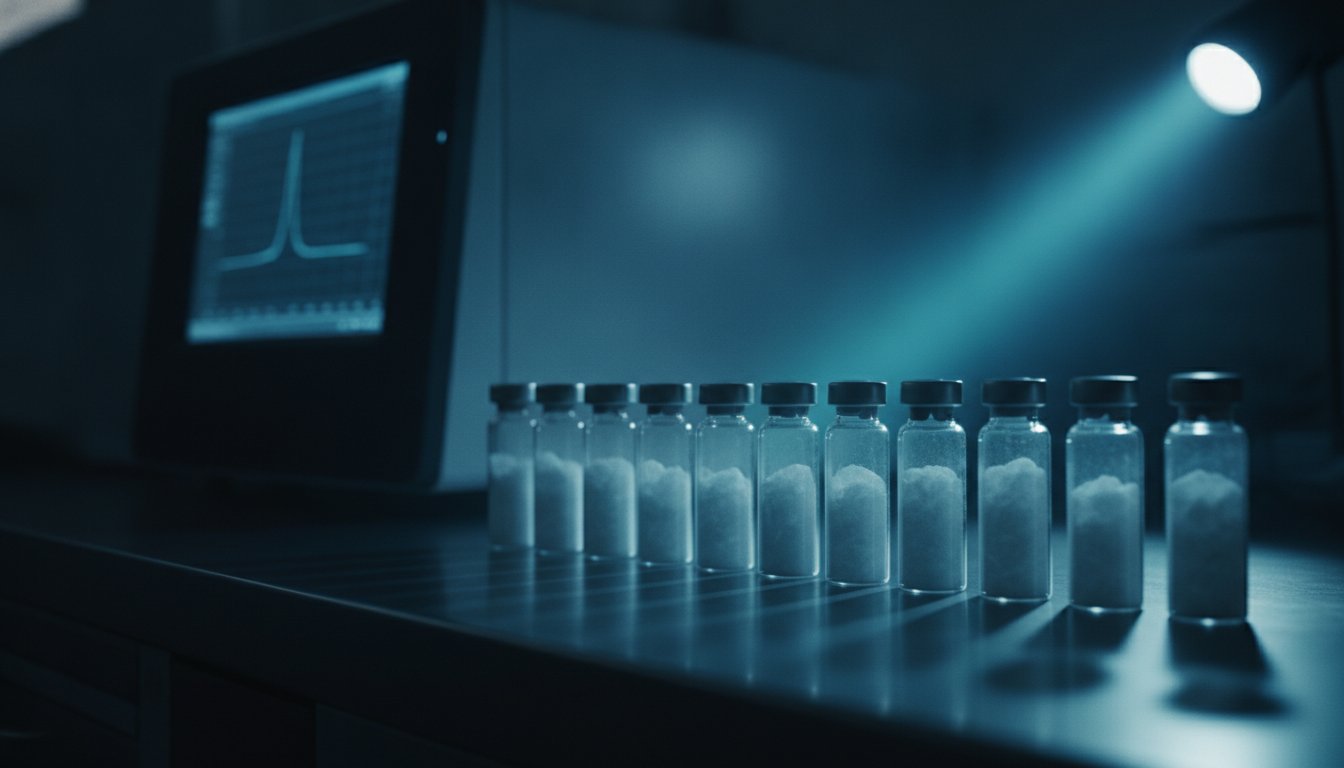
Experimental success depends on the stability of the baseline. Inconsistent data is rarely a failure of the hypothesis; it's a failure of the supply chain and the bench protocol. Researchers frequently encounter batch-to-batch variability and the rapid degradation of reconstituted samples, leading to conflicting data in longitudinal studies that compromise the integrity of the entire project. This unpredictability creates noise that obscures true biological signals. Anchoring the experimental baseline in verified data is the only path to scientific certainty.
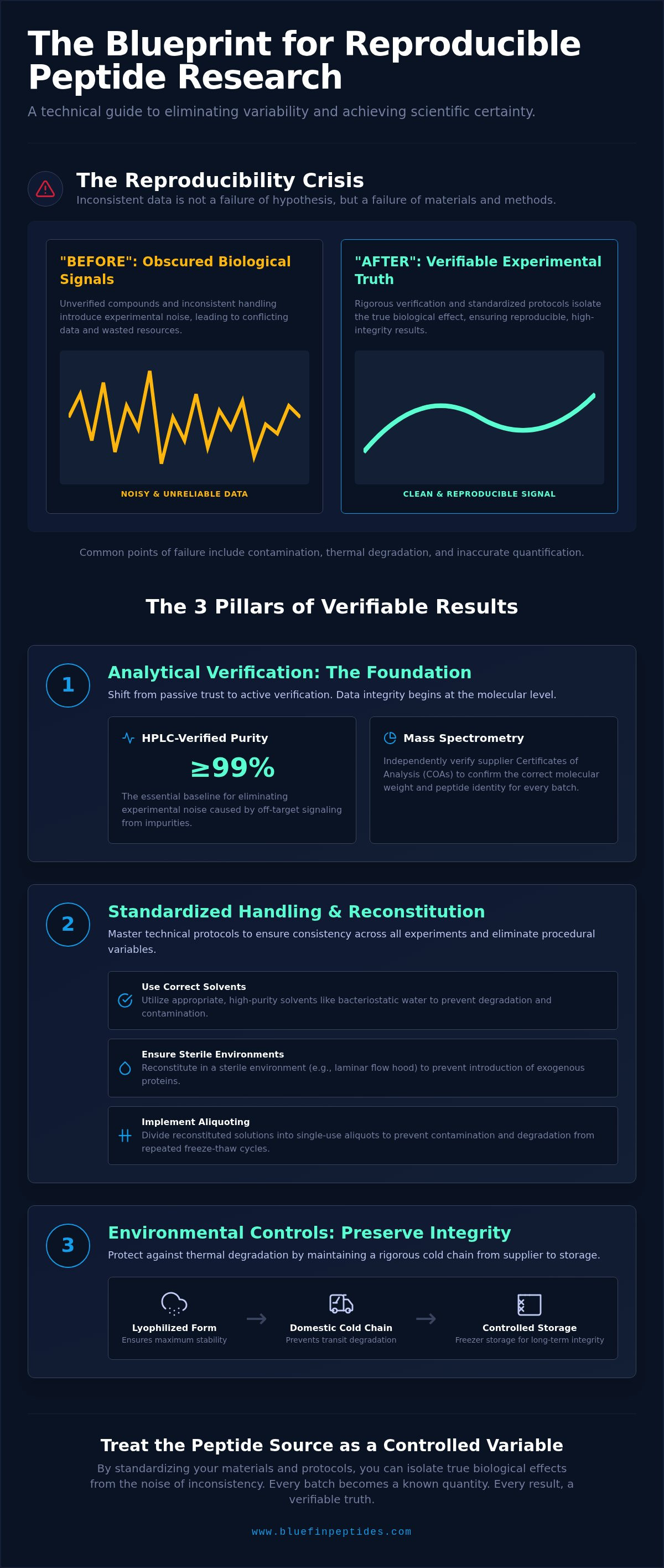
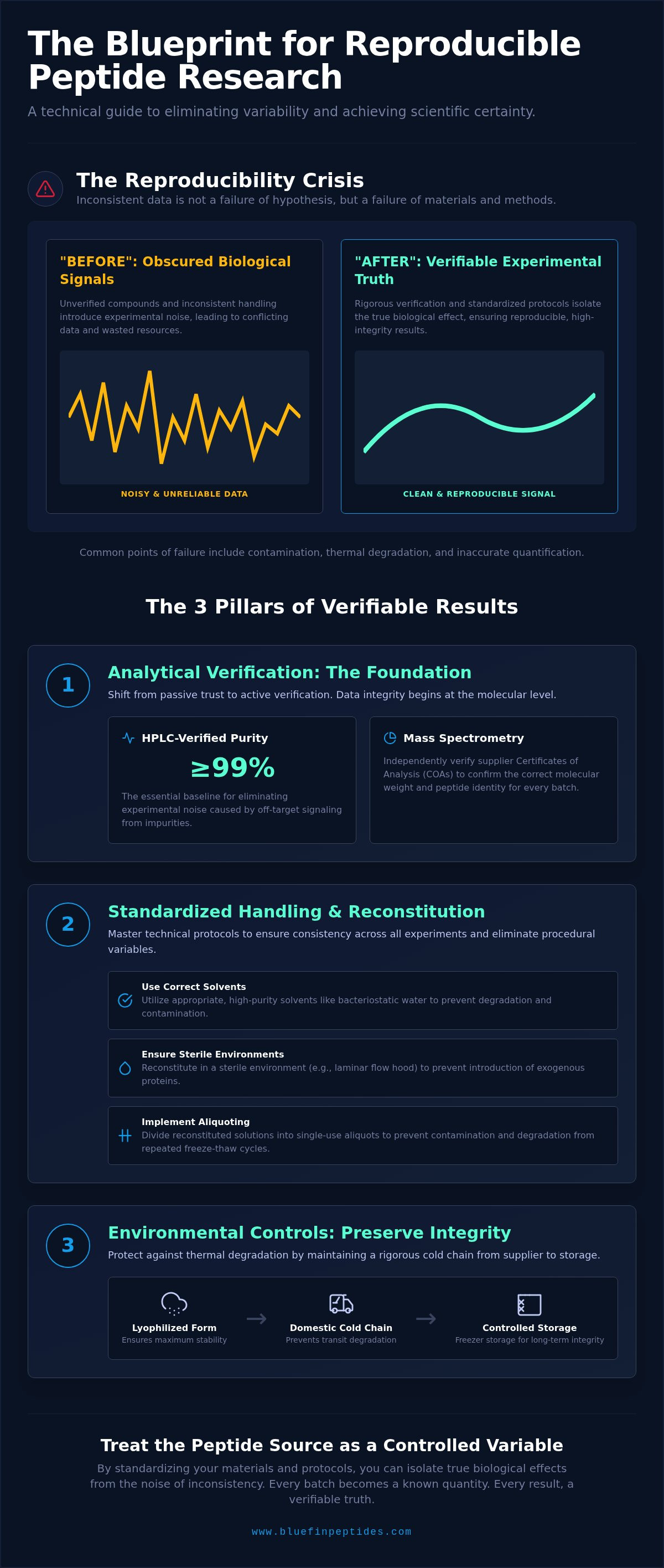
Ensuring reproducibility in peptide experiments requires a transition from passive trust to active verification. This guide provides the analytical and procedural standards necessary to eliminate variability and secure verifiable results. You'll master the process of establishing standardized handling protocols, verifying supplier COAs through HPLC and mass spectrometry data, and implementing environmental controls to minimize experimental noise. We provide a technical roadmap for moving beyond the uncertainty of raw material fluctuations toward a state of clinical precision. Every batch must be a known quantity. Every result must be a verifiable truth.
Key Takeaways
- Learn why ≥99% HPLC-verified purity is the essential baseline for eliminating experimental noise in sensitive research models.
- Master the technical protocols for ensuring reproducibility in peptide experiments by standardizing reconstitution solvents and handling techniques.
- Preserve chemical integrity by utilizing lyophilized powders and maintaining a rigorous cold chain from domestic fulfillment to long-term storage.
- Develop the analytical skill to verify supplier Certificates of Analysis, confirming identity and molecular weight through mass spectrometry.
- Reduce longitudinal variability by treating high-purity research compounds as a controlled variable in every experimental design.
The Reproducibility Crisis in Peptide Synthesis and Research
Scientific progress relies on the ability to replicate findings across different laboratories and timelines. When outcomes fluctuate between identical trials, the integrity of the study dissolves. This phenomenon, often termed the reproducibility crisis, is particularly acute in biochemical research where complex molecules are utilized. A foundational understanding of reproducibility in scientific research is essential for any investigator aiming to publish verifiable data. Ensuring reproducibility in peptide experiments requires a rigorous audit of the starting material. Experimental noise, the unwanted variance that obscures biological signals, often stems from subtle impurities or inconsistent handling. The cost of failure is high. Non-reproducible data wastes funding, delays drug discovery, and stalls academic publication.
Compounds such as Retatrutide Research Peptide demand extreme analytical scrutiny. As multi-receptor agonists, their interaction with cellular pathways is highly sensitive to molar concentration and conformational stability. Even a minor deviation in purity can introduce side reactions or unexpected signaling cascades, rendering the resulting data invalid. Precision isn't a luxury; it's the anchor of the scientific method.
Identifying Common Points of Failure
Reliability fails at the intersection of chemistry and procedure. Contamination during the reconstitution phase is a primary culprit. Using non-sterile environments or degraded solvents introduces exogenous proteins that interfere with assays. Thermal degradation is another silent variable. Peptides are sensitive to heat; improper storage or transit without climate control can trigger hydrolysis or oxidation. Finally, inaccurate quantification of the starting material leads to dosing errors. If the mass of the lyophilized powder isn't verified against a batch-specific COA, the molarity of the solution remains an estimate, not a fact.
The Role of the Controlled Variable
Treat the peptide source as a critical experimental parameter rather than a static reagent. It's a dynamic variable that dictates the depth of your results. Batch-to-batch variance in synthesis can alter cellular signaling outcomes, especially in animal models where metabolic responses are nuanced. Researchers must establish a baseline for acceptable purity deviations. Utilizing ≥99% HPLC-verified compounds minimizes these fluctuations. By treating the chemical identity of the peptide with the same rigor as the temperature of an incubator, scientists can isolate the true biological effect from the noise of material inconsistency. Ensuring reproducibility in peptide experiments begins with the verification of the compound itself.
Analytical Verification: The Foundation of Consistent Data
Data integrity begins at the molecular level. For investigators, the purity of the starting material isn't a secondary concern; it's the primary anchor of the study. Ensuring reproducibility in peptide experiments requires a shift from passive procurement to active analytical verification. High-purity compounds, specifically those with ≥99% HPLC-verified purity, are essential for isolating biological variables. Without this baseline, researchers risk interpreting the effects of impurities as legitimate experimental data. Precision-cast results demand a purity profile that eliminates the possibility of competitive inhibition or off-target signaling caused by truncated sequences.
Passive acceptance of generic quality claims often leads to experimental failure. The FDA guidance on peptide impurities highlights how even minor contaminants can alter the immunogenic and chemical profile of a synthetic chain. When evaluating domestic suppliers, researchers must compare research peptide quality standards to ensure the material meets the threshold for high-stakes assays. Batch-specific Certificates of Analysis (COAs) are non-negotiable. They provide the depth of transparency required to verify that the current batch matches the specifications of previous trials, effectively neutralizing the currents of variability that plague longitudinal research.
Decoding the HPLC Chromatogram
High-Performance Liquid Chromatography (HPLC) serves as the primary tool for quantifying chemical cleanliness. By analyzing the chromatogram, researchers can identify impurity peaks that may possess unintended bioactivity. HPLC purity is defined as the ratio of the target peak area to the total peak area. This metric allows for the calculation of the precise concentration of the active compound within the lyophilized powder. Accurate quantification prevents dosing errors that would otherwise skew cellular response data and compromise the validity of the model.
Mass Spectrometry as a Fingerprint
While HPLC measures purity, Mass Spectrometry (MS) confirms identity. It acts as a molecular fingerprint, verifying the primary sequence of complex analogues like Tirzepatide Research Peptide. MS is critical for detecting truncation or incomplete synthesis, ensuring that the peptide chain is exactly what the manufacturer claims. Utilizing mass-spec data allows laboratories to maintain batch-to-batch identity consistency, which is vital for ensuring reproducibility in peptide experiments. It provides the final layer of security, confirming that the molecular weight aligns with the theoretical mass of the target ligand. Achieving this level of methodological rigor is simplified when utilizing verified research peptides as the foundation of your experimental design.
Environmental Variables: Storage and Chemical Stability
Chemical stability is the silent guardian of experimental data. Even a compound verified at ≥99% purity can succumb to environmental degradation if storage protocols are lax. Ensuring reproducibility in peptide experiments requires a rigorous defense against light, heat, and moisture. Sensitive fragments, such as GHK-Cu, are particularly vulnerable to photo-degradation, necessitating opaque storage or amber vials to prevent bond cleavage. Additionally, many peptides are hygroscopic. Exposure to high-humidity environments can lead to moisture absorption. This complicates accurate mass measurement and catalyzes hydrolytic degradation pathways. Precision at the bench is meaningless without precision in the environment.
Lyophilization and Long-term Integrity
Lyophilized powders represent the gold standard for research procurement. By removing water through sublimation, manufacturers create a chemically "quiet" state that resists degradation. For long-term preservation, vials should be maintained between -20°C and -80°C. Stability is a function of thermal consistency. Researchers must minimize freeze-thaw cycles. The transition between states can disrupt the delicate secondary structure of the peptide chain. Each cycle introduces a risk of aggregation or denaturation. Stoic adherence to these temperature thresholds ensures that the peptide remains a controlled variable throughout the life of the study. We prioritize the physical state of the offering to ensure it arrives in this stabilized, deep-freeze ready condition.
Logistics and Transit Verification
The journey from the supplier to the laboratory bench is a high-risk interval. International shipping often involves prolonged exposure to uncontrolled temperatures and humidity fluctuations during customs clearance. This "thermal drift" can introduce subtle chemical changes before the experiment even begins. In contrast, domestic US-based logistics offer a faster, more secure transit path. Rapid fulfillment from a centralized inventory reduces the window of environmental exposure. For specific stability data and handling requirements, researchers should consult the Retatrutide Research Peptide: Analytical Specifications. Navigating these logistics with maritime-level precision ensures that the material arriving at your facility remains identical to the material that left the analytical lab. We maintain a steady current of logistical efficiency to bypass the turbulence of international shipping delays. Consistency in transit is the first step toward consistency in results. Speed isn't just about convenience; it's about chemical preservation.
Standardized Reconstitution and Aliquoting Protocols
Reconstitution represents the most critical transition in the laboratory workflow. It is the moment where a stable lyophilized powder becomes a volatile liquid solution, susceptible to rapid degradation. Choosing the correct solvent is dictated by the peptide's hydrophobicity and the requirements of the specific research model. Bacteriostatic water is frequently utilized for its antimicrobial properties, whereas sterile saline is preferred for maintaining isotonicity in cellular assays. For basic peptides that exhibit poor solubility in neutral pH, a 0.1% acetic acid solution may be necessary to achieve full dissolution. Ensuring reproducibility in peptide experiments depends on this initial chemical compatibility. Vortexing should be strictly avoided. The resulting shear stress can trigger peptide aggregation or denaturation, rendering the compound inactive. A "gentle swirl" technique is the only acceptable method for encouraging dissolution while preserving the delicate secondary structure of the molecule.
A Step-by-Step Reconstitution Framework
Precision begins with the calculation of solvent volume based on the verified lyophilized mass and the target molarity. Researchers must use the batch-specific mass provided on the Certificate of Analysis rather than assuming the vial contains exactly the nominal weight. Aseptic techniques are mandatory to prevent microbial contamination. Swab the septum with 70% isopropyl alcohol and utilize sterile air displacement to prevent pressure build-up during solvent injection. Once the solvent is added, allow for a standardized equilibration time of 20 to 60 minutes at 4°C before the first experimental use. This period ensures the peptide reaches a state of chemical equilibrium in the solution, reducing variability in the initial data points.
Aliquoting for Longitudinal Studies
Longitudinal studies require a strategic approach to storage to eliminate the structural degradation associated with repeated freeze-thaw cycles. Determining single-use aliquot volumes allows the researcher to thaw only the precise amount needed for a single assay, preserving the integrity of the remaining stock. Every aliquot must be labeled with the batch number to ensure alignment with analytical documentation across multi-month experiments. Researchers should use low-protein-binding tubes to minimize the risk of peptide adsorption to the vessel walls. This prevents the loss of active compound that often occurs with standard polypropylene tubes, ensuring that the calculated concentration remains accurate throughout the study. To anchor your research in this level of analytical certainty, you can source HPLC-verified research peptides that meet the highest laboratory standards.
Procuring High-Purity Compounds for Reliable Outcomes
The final stage of methodological rigor is the selection of the reagent source. In the laboratory, the starting material represents the most significant uncontrolled variable if not properly vetted. Utilizing ≥99% purity starting materials provides a strategic advantage by narrowing the margin of error before the first pipette is drawn. High-purity reagents act as a stabilizer. They ensure that the biological response observed is a product of the peptide's primary sequence rather than a reaction to synthetic byproducts. Ensuring reproducibility in peptide experiments requires a procurement strategy that prioritizes analytical depth over cost-saving shortcuts. Experimental momentum depends on the reliability of the supply chain. Domestic US stocking eliminates the logistical turbulence of international transit, preserving the chemical integrity of lyophilized powders through shortened exposure windows.
The Bluefin Standard of Clinical Precision
Precision is our baseline. Our verification process utilizes a dual-pillar approach: High-Performance Liquid Chromatography (HPLC) to quantify purity and Mass Spectrometry (MS) to confirm molecular identity. We don't just claim quality; we provide the tools for verification. Every batch is accompanied by a batch-specific Certificate of Analysis (COA). This transparency allows researchers to audit the "depth" of the analytical data with the same intensity they apply to their own results. We believe that the speed of delivery should never outpace the rigor of the data. Our domestic logistics ensure that HPLC-verified compounds arrive at your facility with their chemical "fingerprint" intact, ready for immediate integration into your study protocols.
Securing the Research Chain
A disciplined logistics partner is an extension of the laboratory itself. Integrating high-purity Tirzepatide Research Peptide into established protocols requires confidence in the material's consistency across multiple months. When the supply chain is secure, the researcher can focus on the hypothesis rather than the reagent. Before initiating a new study, every investigator should perform a final audit of their materials. Use this checklist to ensure methodological compliance:
- Verify Batch-Specific COA: Confirm the document matches the specific vial lot number.
- Audit Purity Thresholds: Ensure HPLC data reflects ≥99% purity for the target peptide.
- Confirm Molecular Identity: Match the Mass-Spec peaks to the theoretical molecular weight of the sequence.
- Review Storage History: Confirm the material has been maintained in a temperature-controlled environment since fulfillment.
- Standardize Reconstitution: Follow the solvent and handling protocols established in your laboratory's SOP.
Methodological rigor is a continuous process. It begins with procurement and ends with verifiable, published data. To anchor your next project in this level of clinical precision, you can procure HPLC-verified research peptides for your next study. We provide the controlled variables. You provide the scientific discovery.
Anchoring Your Data in Analytical Certainty
Precision is the only variable that cannot be compromised in the laboratory. Methodological rigor transforms experimental noise into verifiable data, allowing the true biological signal to surface. By prioritizing ≥99% HPLC-verified purity and adhering to standardized environmental and reconstitution protocols, investigators secure the integrity of their longitudinal studies. Establishing a disciplined baseline is the fundamental requirement for ensuring reproducibility in peptide experiments. Consistency in the chemical state of the starting material ultimately dictates the validity and publishable nature of the final result.
We provide the analytical depth required for high-stakes research environments where every data point must be a known quantity. Every vial represents an unwavering commitment to quality. Our rigorous testing protocol includes mass-spec confirmation for identity and batch-specific Certificates of Analysis for total transparency. Through fast domestic shipping from the United States, we maintain the cold chain and your experimental momentum. View our catalog of HPLC-verified research peptides to anchor your next project in clinical precision and secure the research chain. We look forward to supporting your next breakthrough.
Frequently Asked Questions
How does peptide purity affect experimental reproducibility?
Purity directly dictates the noise-to-signal ratio in your assays. Impurities like truncated sequences or residual solvents can trigger off-target effects or competitive inhibition within cellular models. Ensuring reproducibility in peptide experiments requires starting materials with ≥99% purity to eliminate these chemical artifacts. High-purity compounds act as a controlled baseline. Without this precision, researchers cannot distinguish between the biological effect of the peptide and the interference of its contaminants.
What is the difference between HPLC and Mass Spectrometry in peptide testing?
HPLC quantifies the cleanliness of the compound, while Mass Spectrometry confirms its chemical identity. High-Performance Liquid Chromatography separates the target molecule from impurities to determine the purity percentage. Mass Spectrometry measures the molecular weight to verify that the synthesized chain matches the theoretical sequence. These two analytical pillars work in tandem. One ensures the material is pure; the other proves the material is exactly what you ordered.
Why is a batch-specific COA important for laboratory research?
A batch-specific Certificate of Analysis provides the raw data necessary to verify the material's integrity before use. Generic COAs or "typical" results don't account for the subtle variations inherent in different synthesis runs. By reviewing the specific HPLC and mass-spec data for the exact lot in your freezer, you can adjust molarity calculations and ensure longitudinal consistency. This documentation serves as the analytical anchor for your experimental record.
How should lyophilized research peptides be stored for maximum stability?
Lyophilized powders should be stored in a temperature-controlled environment, ideally between -20°C and -80°C, to minimize chemical degradation. Maintaining a consistent deep-freeze state prevents hydrolysis and oxidation of the peptide bonds. Vials must be kept in an airtight container with a desiccant to protect against moisture. Proper storage ensures the compound remains stable for years, providing a reliable starting point for future replications of your study.
Can I reuse a reconstituted peptide vial multiple times?
Reusing a vial is possible but increases the risk of structural degradation and microbial contamination. Each time a vial is opened or moved from the freezer to the bench, the solution undergoes thermal stress. Repeated freeze-thaw cycles can cause peptide aggregation or denaturation. To maintain high standards, researchers should aliquot the solution into single-use, low-protein-binding tubes immediately after reconstitution. This preserves the integrity of the stock for the duration of the study.
What is the most common cause of peptide degradation in a lab setting?
Thermal instability and moisture exposure are the primary drivers of degradation. Peptides are sensitive to heat; leaving a reconstituted vial at room temperature for extended periods can trigger rapid bond cleavage. Additionally, hygroscopic lyophilized powders can absorb atmospheric moisture if the seal is compromised, leading to hydrolysis. Ensuring reproducibility in peptide experiments requires a rigorous cold chain and moisture-controlled environment to prevent these silent chemical shifts from occurring.
How do I interpret an HPLC report for a research peptide?
Focus on the primary peak and the integration table. The main peak represents the target peptide, and its area relative to the total area of all peaks determines the purity percentage. Look for "impurity peaks" that indicate truncated sequences or residual reagents. A high-quality report should show a single, sharp peak with minimal baseline noise. This visual confirmation proves that the compound has reached the ≥99% purity threshold required for sensitive assays.
Why is domestic shipping preferred for sensitive research compounds?
Domestic fulfillment minimizes the window of environmental exposure and eliminates the risks associated with international customs delays. Research peptides are vulnerable to temperature fluctuations during transit. US-based logistics allow for rapid delivery, ensuring the lyophilized powder remains in a stable state from the warehouse to the laboratory. This speed reduces the likelihood of thermal drift, preserving the analytical specifications verified during the manufacturing process.
For laboratory research use only. Not for human or veterinary use. This content is educational and does not constitute medical, dosing, or usage guidance.
Browse the BLUEFIN catalog