Analytical Profile: GHK-Cu BPC-157 TB-500 Blend Research and Molecular Mechanisms
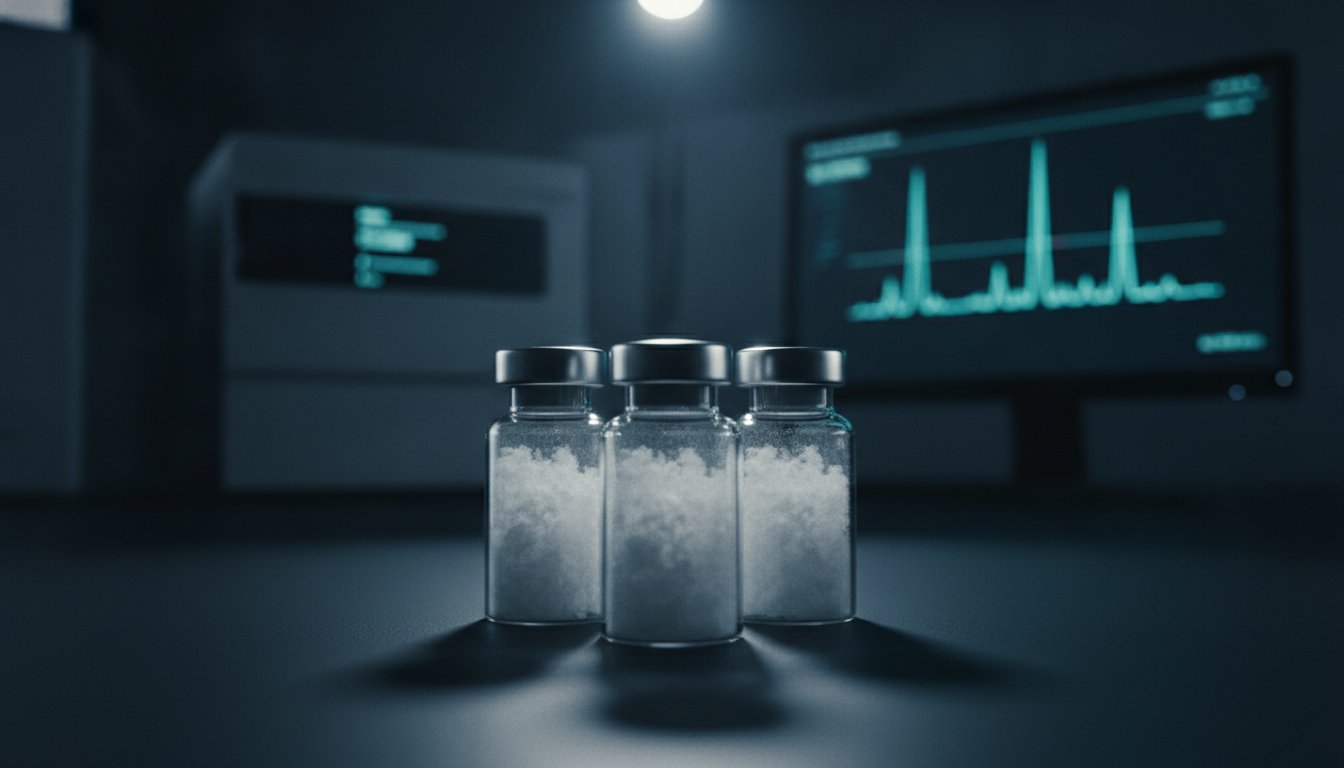
The convergence of GHK-Cu, BPC-157, and TB-500 into a single research medium represents a sophisticated shift in analytical biochemistry, where the sum of molecular interactions often exceeds the performance of isolated peptides. You likely recognize the immense potential for synergistic signaling across collagen synthesis and actin regulation, yet you remain cautious of the chemical stability and purity challenges inherent in GHK-Cu BPC-157 TB-500 blend research. Precision in the lab demands more than just a theoretical understanding; it requires verified data and stable compounds.
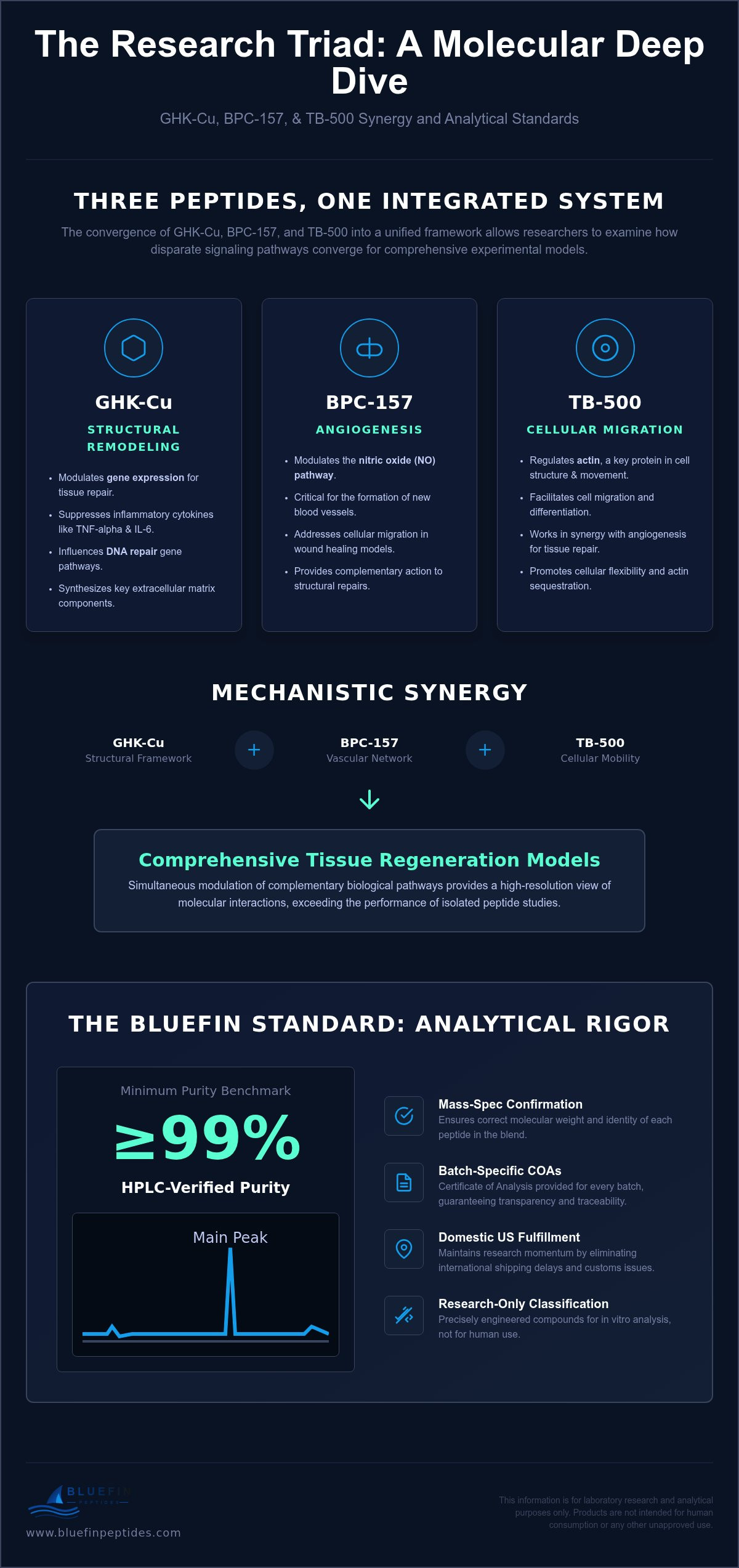
This profile provides a rigorous technical exploration of the triad, focusing on the distinct molecular pathways and the analytical standards required for laboratory reliability. We'll examine how these compounds navigate different cellular channels, establish HPLC-verified purity benchmarks of at least 99%, and outline the storage protocols necessary to maintain a stable research environment. This deep dive ensures your laboratory operations move with the fluid precision and security required for high-stakes molecular analysis. By bridging the gap between conflicting data and verified methodology, we provide the tools for a more disciplined approach to peptide research.
Key Takeaways
- Analyze the molecular architecture of GHK-Cu and its capacity to modulate gene expression within the extracellular matrix for tissue remodeling research.
- Differentiate between the nitric oxide modulation of BPC-157 and the actin sequestration mechanisms of TB-500 to understand complex mechanistic synergy.
- Establish rigorous analytical benchmarks for GHK-Cu BPC-157 TB-500 blend research by prioritizing ≥99% HPLC-verified purity and mass-spec confirmation.
- Identify the logistical requirements for maintaining experimental momentum, including the necessity of batch-specific COAs and domestic, US-stocked fulfillment.
Contextualizing the GHK-Cu, BPC-157, and TB-500 Research Triad
Molecular biology research has transitioned from the observation of isolated peptides to the analysis of integrated molecular systems. The integration of GHK-Cu, BPC-157, and TB-500 into a unified framework allows researchers to examine how disparate signaling pathways converge. This shift toward multi-pathway targeting is essential for developing comprehensive experimental tissue regeneration models. By co-analyzing these three compounds, laboratories can observe the interplay between copper-binding gene modulation, nitric oxide pathway regulation, and actin sequestration. Current GHK-Cu BPC-157 TB-500 blend research prioritizes this synergistic framework to move beyond the limitations of single-molecule studies.
The Rationale for Multi-Peptide Blends
The primary advantage of utilizing a multi-peptide triad lies in the simultaneous modulation of redundant and complementary biological pathways. Single-compound analysis often fails to account for the complex feedback loops present in cellular signaling. A standardized blend ensures that the ratio of each peptide remains constant across multiple experimental trials, effectively minimizing variables in lyophilized preparations. This consistency is vital for documenting enhanced bioactivity in cellular models. While GHK-Cu focuses on extracellular matrix remodeling, BPC-157 and TB-500 address angiogenesis and cellular migration. The resulting data provides a high-resolution view of molecular interactions. Precision matters. High-performance laboratories require stable compounds that perform reliably under rigorous analytical conditions.
Bluefin Standards: Research-Only Classification
Bluefin Peptides maintains a rigid distinction between laboratory-grade compounds and consumer-market offerings. Every batch of the GHK-Cu, BPC-157, and TB-500 blend undergoes HPLC verification to ensure ≥99% purity. This is not a retail supplement; it's a precisely engineered tool for in vitro analysis. Navigating the regulatory requirements for procuring research chemicals requires strict adherence to legal boundaries. As of August 2026, while the FDA's Pharmacy Compounding Advisory Committee has recommended loosening certain restrictions on these peptides, they remain classified for research use only. This classification ensures that materials stay within controlled, non-clinical environments where their molecular mechanisms can be documented without the variables of human biological interference. We prioritize transparency through batch-specific COAs and mass-spec confirmation. Our US-stocked inventory facilitates urgent precision, allowing research momentum to continue without the delays often associated with international procurement. Reliability is the anchor of our logistics.
The Biochemistry of GHK-Cu Peptide in Molecular Research
GHK-Cu (Glycyl-L-histidyl-L-lysine) is a naturally occurring tripeptide with an exceptionally high affinity for Copper (II) ions. This interaction forms a stable complex that functions as a potent modulator of gene expression within the extracellular matrix. In the context of GHK-Cu BPC-157 TB-500 blend research, the presence of GHK-Cu provides the foundational signaling required for structural remodeling. It doesn't just provide copper; it directs it. In vitro studies demonstrate its ability to suppress inflammatory cytokines like TNF-alpha and IL-6, creating a controlled environment for cellular analysis. It also accelerates the synthesis of glycosaminoglycans and chondroitin sulfate, which are critical components of the structural scaffold. This modulation is achieved through the regulation of metalloproteinases and their inhibitors, ensuring a balanced turnover of the matrix.
Copper-Peptide Interactions and DNA Repair
GHK-Cu influences the expression of multiple DNA repair genes, including those responsible for maintaining genomic stability. The complex acts as an antioxidant by inhibiting the release of pro-oxidant iron from ferritin, reducing oxidative stress in cellular environments. This biochemical behavior is a focal point for researchers investigating cellular senescence and longevity pathways. By stabilizing these processes, GHK-Cu allows for more consistent observations in long-term in vitro models. It effectively resets the gene expression profile of aged cells in various laboratory simulations. Researchers can verify these specifications through the HPLC-verified research blends available from Bluefin Peptides, which ensure the absence of cross-contaminants that might skew DNA repair data.
GHK-Cu in Angiogenic Research
The tripeptide demonstrates significant synergy with Vascular Endothelial Growth Factor (VEGF) pathways, facilitating the development of microcirculation models. It promotes the secretion of angiogenic factors, which are necessary for analyzing tissue repair mechanisms in a laboratory setting. GHK-Cu is a tripeptide that binds copper to modulate tissue remodeling. This specific binding mechanism ensures that copper is bioavailable for essential enzymatic reactions without inducing the toxicity associated with free metal ions. By enhancing the proliferation of endothelial cells, GHK-Cu serves as a critical component in the study of vascular development and capillary formation. It provides the analytical precision needed in models where rapid signaling response is required to observe morphological changes.
Mechanistic Synergy: Angiogenesis and Actin-Binding Pathways
The efficacy of GHK-Cu BPC-157 TB-500 blend research depends on the distinct, non-redundant roles of its components. While novice analysis often conflates BPC-157 and TB-500 as interchangeable, their molecular targets are fundamentally different. BPC-157, a 15-amino acid gastric pentadecapeptide, operates primarily through the modulation of the nitric oxide (NO) pathway. It stabilizes the vascular endothelium and promotes organizational signaling. In contrast, TB-500, the active fragment of Thymosin Beta-4, functions through actin sequestration. This process is the primary driver of cellular motility. When these pathways converge, the resulting angiogenic signaling is more robust than when observed in isolation. GHK-Cu complements this duo by providing the structural gene modulation necessary for the extracellular matrix to support these new vascular developments.
Cellular Migration and Cytoskeletal Remodeling
TB-500 acts as the engine of cellular movement in wound models. By binding to G-actin, it prevents polymerization into F-actin, maintaining a pool of actin monomers available for rapid cytoskeletal reorganization. This allows cells to migrate with high fluidity across the experimental scaffold. BPC-157 provides the organizational influence, ensuring that this migration results in functional tissue structures rather than chaotic cell proliferation. In experimental studies, this combination has shown a significant impact on myofibroblast differentiation. TB-500 drives the migration of these cells to the site of analysis, while BPC-157 influences their phenotypic expression to prevent excessive fibrotic accumulation. This balanced interaction is a cornerstone of advanced regenerative research.
Nitric Oxide and Vascular Organization
BPC-157 exerts a profound influence on the VEGFR2 signaling pathway, which is critical for the initiation of new vessel formation. It bypasses traditional growth factor dependencies by upregulating the expression of early growth response 1 (egr-1) and its co-repressor (nab2). This molecular stability is particularly notable across various pH environments, a trait derived from its gastric origins. Such resilience ensures consistent performance in diverse in vitro settings. For a deeper analysis of these interactions, researchers should consult our detailed profile on the Molecular Mechanisms of the GHK-Cu, BPC-157, and TB-500 Research Blend. Understanding the nuance of these nitric oxide pathways allows for more precise control over vascular organization experiments. Reliability in these models is non-negotiable. Every data point must be anchored in verified biochemical behavior.
Analytical Standards: Verifying Purity in Multi-Peptide Formulations
High-stakes laboratory environments demand absolute chemical transparency. In GHK-Cu BPC-157 TB-500 blend research, achieving and verifying ≥99% purity is a critical prerequisite for meaningful data collection. Contaminants, even in trace amounts, can introduce uncontrolled variables that invalidate signaling observations. Synthesis byproducts, such as truncated sequences or leftover reagents, must be identified and eliminated through high-resolution analysis. Lyophilization serves as the primary method for preserving this chemical integrity during transit and long-term storage. This process removes moisture from the frozen peptide solution under vacuum, creating a stable, porous structure that resists degradation. Reliability starts with the physical state of the compound.
HPLC and Mass-Spec: The Gold Standards
Interpreting batch reports for multi-peptide blends requires a higher level of analytical scrutiny than single-molecule studies. Single-compound testing is insufficient for complex formulations. A standard HPLC report for a blend must clearly resolve the distinct peaks for GHK-Cu, BPC-157, and TB-500 without overlap or baseline noise. HPLC is the primary method for quantifying peptide purity through chromatography. While HPLC measures purity, Mass Spectrometry (MS) is required to confirm identity. MS verifies the molecular weight of each component, ensuring the sequence matches the theoretical model exactly. Without mass-spec confirmation, a high purity percentage only indicates that a substance is clean, not that it's the correct substance. Precision requires both.
Chemical Stability and Storage Protocols
Maintaining the stability of lyophilized vials is a matter of strict environmental control. For long-term storage, vials should be kept in a temperature-controlled environment between -20°C and -80°C. Fluctuations in temperature can lead to peptide deamidation or oxidation, rendering the sample useless for precise signaling models. Reconstitution introduces further variables. The choice of solvent, typically bacteriostatic water or sterile saline, impacts the long-term integrity of the peptide chain. Researchers must account for these factors to prevent the premature breakdown of the GHK-Cu complex or the degradation of the BPC-157 pentadecapeptide. For a comprehensive overview of these procedures, refer to our Analytical Quality Standards for Research Peptides: A Laboratory Guide.
Fulfillment speed must not compromise batch-level detail. Secure your laboratory's experimental momentum by sourcing HPLC-verified research blends that include batch-specific COAs for every order. Trust is built on documentation.
Sourcing Verified Research Blends for Laboratory Use
Securing domestic procurement within the United States is more than a logistical convenience; it's a fundamental requirement for maintaining experimental momentum. In the context of GHK-Cu BPC-157 TB-500 blend research, the delay between sourcing and arrival can compromise the temporal accuracy of longitudinal studies. International shipping often exposes sensitive lyophilized compounds to uncontrolled temperature fluctuations and prolonged customs holds. US-stocked supplies eliminate these frictions, providing the urgent precision required for high-frequency testing environments. By anchoring your supply chain in domestic fulfillment, you ensure that the physical state of the compound remains consistent from the laboratory floor to the analytical bench.
The transition from procurement to application requires a partner that prioritizes data over marketing. Bluefin Peptides operates with a show, don't tell philosophy, providing the analytical tools necessary for researchers to verify every batch independently. This transparency is essential when addressing the complex regulatory framework of 2026. While the FDA PCAC has recommended loosening certain compounding restrictions, the research-only status of these peptides requires strict adherence to non-clinical protocols. Reliable sourcing ensures that your laboratory remains compliant while pushing the boundaries of molecular signaling research. Every data point is only as strong as the material it was derived from.
The Bluefin Logistics Advantage
Bluefin Peptides functions as a disciplined logistics specialist, prioritizing the safe transit of high-purity compounds. Every vial is housed in secure, temperature-stable packaging to anchor the peptide's integrity against external environmental currents during the fulfillment process. Transparency is the bedrock of our operations. Researchers gain direct access to batch-specific Certificates of Analysis (COAs), allowing for immediate verification of the ≥99% purity and mass-spec identity discussed in previous sections. This documentation isn't an optional request; it's a standard deliverable that ensures your laboratory operates with complete chemical certainty. Reliability is the only constant we accept in our supply chain.
Implementing the Blend in Molecular Models
Success in the laboratory requires more than high-purity material; it demands standardized application across all cohorts. Standardizing reconstitution protocols is essential for achieving reproducible results in complex signaling models. Researchers should document solvent volumes, specific pH levels, and storage durations to ensure the molecular structure remains intact throughout the study. These best practices are vital for peer-reviewed research where every variable must be accounted for to withstand academic scrutiny. Utilizing a pre-formulated triad significantly reduces the margin for error compared to manual compounding. To facilitate these high-level experimental requirements, laboratories can Procure HPLC-Verified GHK-Cu BPC-157 TB-500 Blends from our US-based inventory. Finalizing laboratory protocols with these verified standards ensures that the focus remains on the data, not the reliability of the supply chain. It's the final stage in establishing a robust framework for GHK-Cu BPC-157 TB-500 blend research.
Advancing Molecular Signaling Through Analytical Precision
The integration of GHK-Cu, BPC-157, and TB-500 offers a multi-modal signaling environment that isolated peptides can't replicate. By targeting extracellular matrix remodeling, vascular organization, and cellular motility simultaneously, researchers can observe complex interactions within a unified model. This level of GHK-Cu BPC-157 TB-500 blend research requires unwavering commitment to chemical purity. Standards matter. Utilizing material with ≥99% HPLC-verified purity and mass-spec confirmation ensures that your data remains anchored in verifiable truth.
Efficiency in the lab is driven by the speed of procurement and the transparency of documentation. Domestic US fulfillment and batch-specific COAs provide the security necessary for high-stakes analysis. Every experimental trial deserves a foundation of absolute clarity. Explore the GHK-Cu BPC-157 TB-500 Research Blend Portfolio to secure the tools required for your next breakthrough. We're committed to your laboratory's success.
Frequently Asked Questions
What is the primary mechanism of action for GHK-Cu in research?
GHK-Cu functions primarily by complexing with Copper (II) ions to modulate gene expression within the extracellular matrix. It suppresses inflammatory cytokines and stimulates the synthesis of glycosaminoglycans. This mechanism allows researchers to analyze structural remodeling and DNA repair genes in various cellular senescence models. It acts as a precise signal for matrix turnover, ensuring that copper is bioavailable for essential enzymatic reactions without inducing metal toxicity.
How does BPC-157 differ from TB-500 in angiogenic studies?
BPC-157 focuses on the nitric oxide pathway and vascular organization, while TB-500 drives cellular migration through actin sequestration. In GHK-Cu BPC-157 TB-500 blend research, these distinct mechanisms are co-analyzed to observe how cytoskeletal remodeling and angiogenic signaling converge. BPC-157 provides the organizational framework by upregulating growth factors, whereas TB-500 provides the motility engine required for cells to traverse the experimental scaffold.
Is the GHK-Cu BPC-157 TB-500 blend stable at room temperature?
Lyophilized peptide blends are generally stable at room temperature for short-term transit, but they require cold storage for long-term chemical integrity. Exposure to ambient heat for extended periods can lead to deamidation or oxidation. For optimal stability, vials should be stored between -20°C and -80°C. Reconstituted peptides are significantly more fragile and must be refrigerated and used within a specific window to avoid degradation.
Why is HPLC verification critical for multi-peptide blends?
HPLC verification is essential to resolve and quantify the distinct peaks of each peptide in a multi-component formulation. Without high-resolution chromatography, synthesis byproducts or cross-contaminants could skew data in GHK-Cu BPC-157 TB-500 blend research. It ensures that the GHK-Cu, BPC-157, and TB-500 are present in the correct ratios. High-purity standards are the anchor of reproducible laboratory results, preventing baseline noise from invalidating signaling observations.
What solvents are recommended for reconstituting this research blend?
Bacteriostatic water and sterile saline are the primary solvents recommended for reconstituting lyophilized research blends. The choice of solvent impacts the long-term stability and pH of the solution. Researchers must ensure that the solvent is introduced gently to avoid denaturing the peptide chains. Consistent reconstitution protocols are vital for maintaining the integrity of the molecular signaling across different study cohorts and ensuring the solubility of the GHK-Cu complex.
Can GHK-Cu influence gene expression in laboratory models?
GHK-Cu demonstrates a profound ability to influence the expression of genes involved in tissue remodeling and antioxidant defense. It has been observed to reset the gene profile of aged cells to a more youthful state in laboratory simulations. This makes it a critical tool for investigating longevity and genomic stability. It effectively modulates the cellular response to oxidative stress by inhibiting the release of pro-oxidant iron from ferritin.
What is the purity standard for Bluefin Peptides research blends?
Bluefin Peptides maintains a strict purity standard of ≥99% for all materials used in GHK-Cu BPC-157 TB-500 blend research. Every batch undergoes HPLC verification and mass spectrometry confirmation to ensure sequence identity and the absence of contaminants. This high-level technical register ensures that laboratories receive only the most stable and verifiable compounds. Batch-specific Certificates of Analysis are provided to reinforce this commitment to quality and transparency.
Are these peptides intended for human consumption or medical use?
No, these peptides are strictly intended for laboratory research use only and are not for human consumption or medical use. They haven't undergone the safety and efficacy testing required for FDA approval as medications. Labeling as "Research Use Only" is a legal requirement that ensures these compounds remain in controlled, non-clinical environments. Professional laboratories must adhere to these boundaries to maintain regulatory compliance and ensure experimental integrity.
For laboratory research use only. Not for human or veterinary use. This content is educational and does not constitute medical, dosing, or usage guidance.
Browse the BLUEFIN catalog